What we do
We deliver holistic humanitarian support that includes medical care, psychosocial assistance, livelihood empowerment, and inclusive education. By engaging local leaders, volunteers, and stakeholders, we foster community-driven solutions that promote safety, resilience, and social cohesion
our actions
Centre for Social Cohesion, Peace and Empowerment takes decisive and compassionate action to uplift vulnerable communities affected by conflict and crisis.projects
We deliver holistic humanitarian support that includes medical care, psychosocial assistance, livelihood empowerment, and inclusive education. By engaging local leaders, volunteers, and stakeholders, we foster community-driven solutions that promote safety, resilience, and social cohesion.
Through targeted interventions such as Explosive Ordnance Risk Education, socio-economic reintegration, disaster response, and advocacy for disability inclusion, we address immediate needs while building sustainable pathways to peace and empowerment.
Our partnerships with government agencies, NGOs, and media amplify our reach and impact, ensuring that every person we serve is heard, protected, and equipped to thrive.
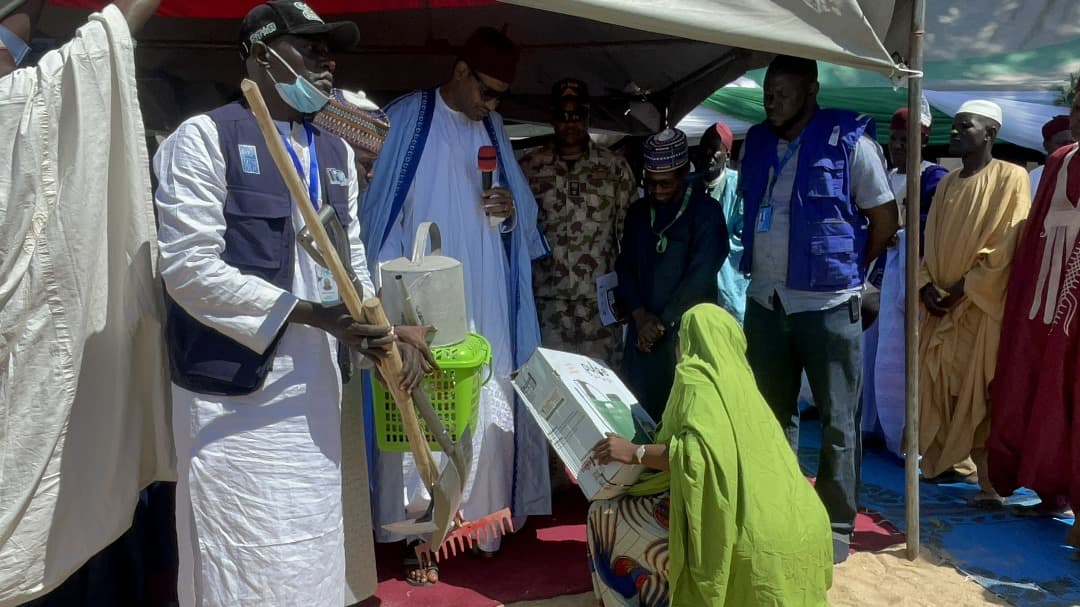
Our Approach
Six Core Pillars
Together, these six pillars form a comprehensive and interconnected framework for advancing peace, resilience, and sustainable development across Nigeria's most vulnerable regions.
Peacebuilding and Social Cohesion
At the heart of CENSCOPE's work lies the conviction that sustainable peace can only be achieved when communities are empowered to rebuild trust, resolve conflict, and coexist harmoniously.
- •Community dialogues and reconciliation platforms
- •Mediation training for youth, women, and traditional leaders
- •Reintegration of conflict-affected individuals
- •Intercommunal sports and peace clubs
- •Community-based early warning and early response systems (EWER)
Protection, Gender Equality, and Inclusion
Protection and the promotion of human dignity form the cornerstone of CENSCOPE's humanitarian mandate.
- •Strengthening community and institutional protection systems
- •Gender equality and rights of people with disabilities (PWDs)
- •Psychosocial support and GBV referral pathways
- •Engaging men and boys as allies in promoting gender equity
- •Advocacy for stronger protection frameworks and access to justice
Livelihoods and Socio-economic Empowerment
Economic recovery is fundamental to restoring dignity and stability in conflict-affected regions.
- •Skills training and entrepreneurship programs
- •Vocational training centers and micro-grant initiatives
- •Partnerships with microfinance institutions
- •Climate-smart livelihoods and agricultural diversification
- •Market linkages and value chain development
Education
Education is one of the most powerful tools for restoring hope and stability in crisis-affected settings.
- •Rehabilitation of damaged classrooms
- •Provision of learning materials
- •Teacher training in safe, inclusive pedagogy
- •Non-formal learning programs for out-of-school children
- •Early recovery and rehabilitation efforts
Climate Resilience and Environmental Sustainability
CENSCOPE's Climate Resilience and Environmental Sustainability pillar seeks to integrate environmental protection and climate adaptation into all its programming.
- •Community-led natural resource management
- •Tree-planting campaigns and environmental awareness
- •Climate-smart agricultural practices
- •Disaster risk reduction (DRR) plans
- •Eco-friendly livelihood options
Governance, Policy, and Advocacy
Good governance is the cornerstone of sustainable peace and development.
- •Civic education and community dialogues
- •Capacity-building for local government officials
- •Policy reforms for localization and protection
- •Support for CBOs, youth, and women's groups participation
- •Membership in coordination platforms (HCT, sector working groups)
Additional Programs
Health, Nutrition & WASH
Health and Nutrition
Health and nutrition crisis driven by persistent poverty and violent conflict is fuelling recurring emergencies, and limited access to essential services.
- •Strengthening community-level health systems
- •Expanding quality primary healthcare
- •Scaling up lifesaving nutrition interventions
- •Maternal and child health support
- •Prevention, early detection, and integrated service delivery
Water Sanitation and Hygiene (WASH)
Nigeria faces persistent WASH challenges that hinder public health, dignity, and overall well-being particularly in underserved rural communities, informal settlements, and crisis-affected regions.
- •Expanding equitable access to safe water
- •Improving sanitation coverage
- •Promoting evidence-based hygiene practices
- •Strengthening community systems
- •Climate-resilient water and sanitation solutions